
The Brand House
A builder who came up on food stamps, ran a PBM at 30, walked away from forty million on paper, and now runs the only independent pharmacy company with the scale to make the big three feel it.

The market is actively hunting for the alternative Zach describes, and almost no human is out there personifying it. That gap is his to take.
The way pharmacy is bought is the opposite of how you would actually lower the cost. He is the one who will say it out loud.
Call it the Robin Hood of the industry. Not robbing anyone, just rebuilding it more transparently and lowering the cost even when it trims his own take, because it is the right way to run it. It is the PR hook that gets him in the rooms.
He is not a healthcare executive (that label turns him off). He is a builder. This is the trust-and-magnetism engine of the whole brand.
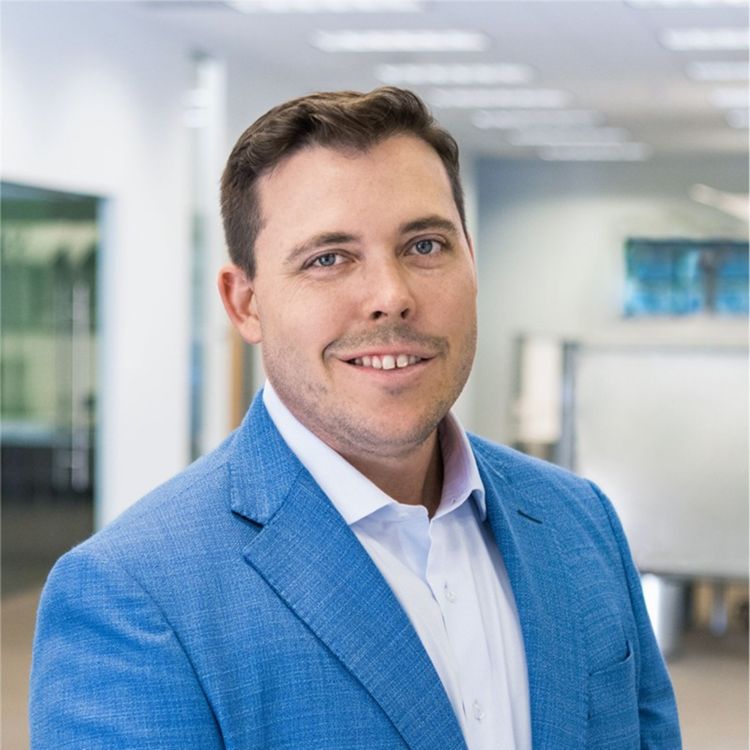
Grew up poor, food stamps, mom working nights at Walmart. Southern Baptist, Cherokee heritage. D3 baseball at Messiah College. Married at 22, four daughters, sitting on a quarter million in student loans.
I quit selling subprime reverse mortgages on principle. I was screwing people.
Cost accounting at CSC (the worst job of his life, the one that taught him the most). Then Medco while working three jobs at once.
Made president of WellDyne at about 30 with zero management training, running strategy, pricing and analytics. Then walked away from roughly forty million dollars on paper, because he did not believe in the exit.
Three months off in Italy with my phone off changed my whole trajectory.
Founded bayvrio on a napkin in Italy, a technology company transforming specialty pharmacy care, on a 3 million dollar seed (MedImpact was an investor). That is how he landed inside MedImpact. He turns 42 in August.
Creativity first, then decisiveness, then problem-solving by asking the leading questions that get people to the answer themselves. His hierarchy is people, then culture, then leadership.
The big three leaders are faceless, cautious and distrusted. The whitespace is a human, candid operator who will say what they will not.
CVS Caremark, Express Scripts, OptumRx. Distrusted, corporate, and no human face on any of it. They will never say the quiet part.
Media-forward and mission-first, the closest comparison. The play is to beat him on likability. Zach is warmer and more relatable.
Generic healthcare execs, buttoned up and instantly skippable. The red hat, the tattoos and the plainspoken founder are the opposite.
Nobody currently owns the trustworthy human face of the PBM alternative. That is the seat.
Lead with the mission and the man, then prove it with the substance. A smaller number of sharp, provocative pieces beats high-frequency corporate filler.
His Northstar. The point of view: the fix is not transparency for its own sake, it is a transparent, net-cost, risk-bearing model that ties price to outcomes. This is the pillar that makes him a movement leader, not a vendor.
MedImpact is the only entity with the size and scale to compete on cost of goods, yet independent enough to stay flexible. He is the one who can actually dent the giants, because the other independents cannot. The sleepy PBM waking up.
His authority zone and where bayvrio was born: specialty pharmacy and the runaway cost curve. Specialty is half the drug spend and under 2% of the patients, then you throw GLP-1s on top. This proves he knows the actual battlefield, not just the politics.
The human and the identity. The come-up, betting on himself, "bet on winners," people over culture over leadership, the red hat, the four daughters, the three months in Italy, pulling others up behind him. The pillar that makes a distrusted category feel human.
Impact Ops is not a side hustle, it is load-bearing for the mission. In his words, we need that business to be successful for us to be successful with the mission, because you have to change the cost trajectory of the opex. Position it as integrated and culturally aligned, and lead with the ability to scale. Never as outsourcing, never offshore. That word scares clients about quality.
Not random followers. The actual people who steer the market, in the order he prioritizes them.
Aon, Mercer, Marsh McLennan, Willis Towers Watson, and the niche pharmacy consultants under them.
They drive the purchasing decision. The old way will not work, so they have to partner on a new model that makes them differentiated.
A differentiated model they can bring to their own clients. The fastest path to pipeline.
LinkedIn, industry stages (Asembia), fireside chats, direct relationships.
The Business Group on Health type buyers, and large franchise or self-funded employers.
Enough big payers paying attention creates demand-side momentum that can force consultants to work with you.
A real alternative to a cost curve they cannot control.
Employer coalitions, targeted cost thought leadership, case-driven content.
People across the PBM and healthcare industry, including future recruits.
Drives recruiting and culture, but also awareness and people talking about you.
Proximity to a winner and a mission.
LinkedIn, podcast guesting, conference presence, the red-hat recognizability.
Investment bankers, healthcare equity analysts, business media.
Keeps a news cycle circulating. The model is AJ at Capital RX, on the news every other week talking about changing healthcare.
A quotable, provocative voice on a story they need to cover.
Earned media, op-eds, analyst briefings, the reform news hook.
The guy sitting in front of Congress, meeting with governors, on the news explaining why healthcare is broken and here is how to fix it.
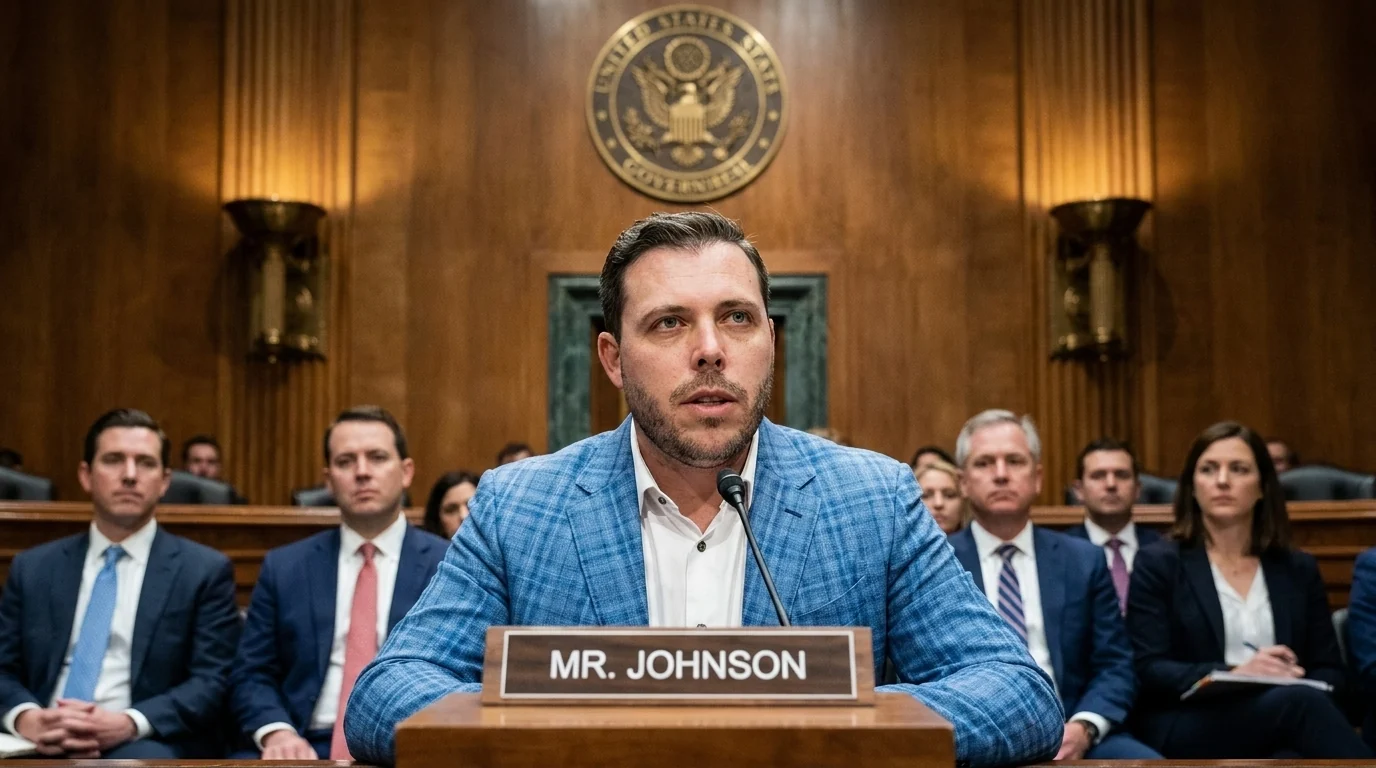
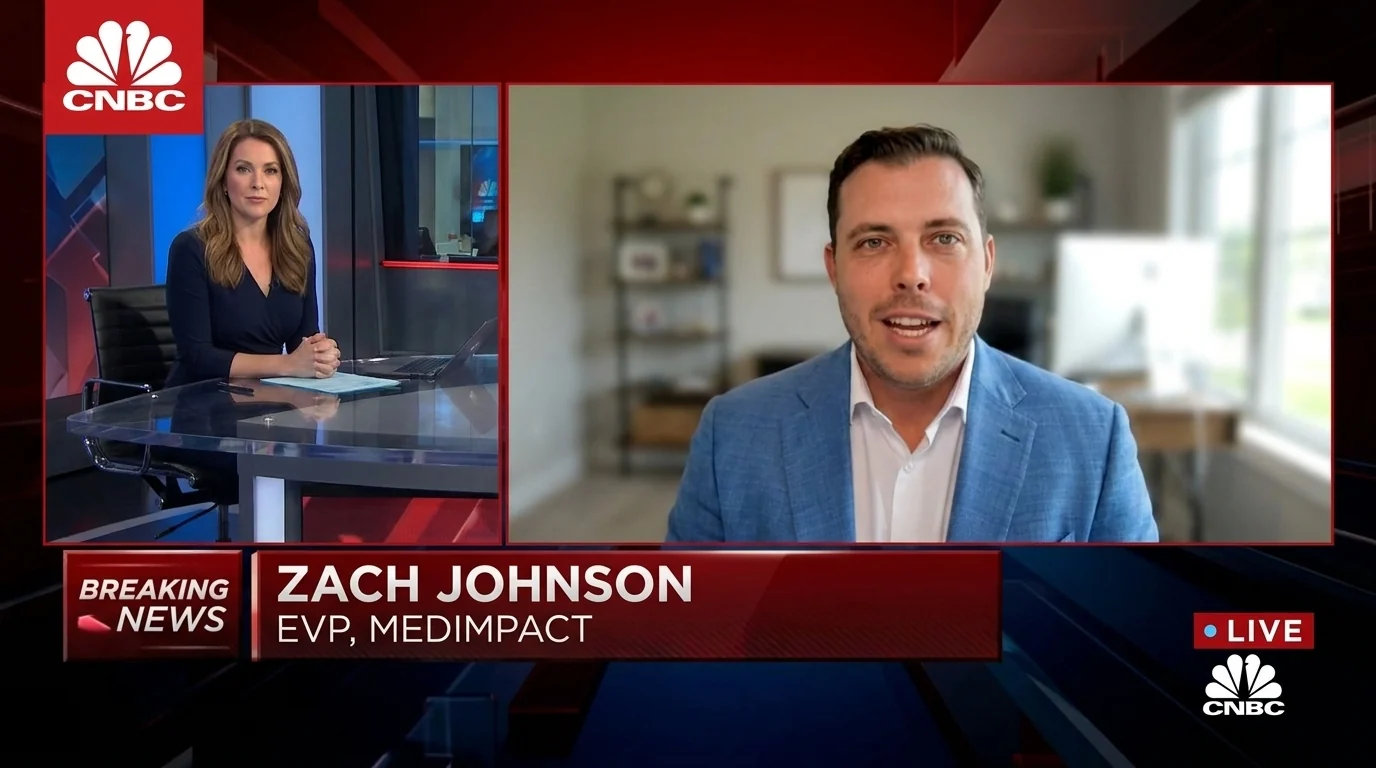
The people Zach wants to magnetize (decision-makers, C-suite, the consultants who steer them) are the exact audience the research says moves on thought leadership. A personal voice is not soft. It is the shortest line to the buyer.
Put the two together. Only a sliver of his buyers are shopping today, and the ones who are trust a credible human voice over any corporate deck. So the job is not to sell. It is to be the name in the room before the room exists, so when a plan sponsor or a consultant is finally ready to leave the Big 3, Zach is already the obvious call.
Volume is secondary to conviction. Every channel serves one job: make him the credible human face of the alternative.
The reform news hook gets him quoted and on stages. Op-eds and analyst briefings on the concentration story, positioned as the provocative voice press need to cover.
Short, declarative, point-of-view posts by pillar. Lead with the take, back it with one number, close with a challenge. The channel that reaches consultants and peers directly.
Guesting and an owned series that let the story breathe. Fireside chats where the candor and the come-up land in full.
Long-form that proves the substance behind the takes. The net-cost model explained, the specialty math, the mid-market case. Made simple enough for a normal business person to follow.
He talks about what he has already lived through, what he is seeing in the market, what leaders get wrong, and what better looks like. Then Qinary packages that into consistent content that makes him easier to trust, easier to remember, and more valuable in the eyes of the people watching.
One repeatable shape for every post, and a rhythm he can actually keep. Conviction over volume, always. A few sharp pieces beat a feed full of filler.
Open with the take, not the setup. Say the quiet part out loud in the first line. If it does not make someone stop, cut it.
A single, primary-source stat that proves he is not just loud, he is right. One number, not five. The data does the arguing.
End on a line that makes the reader question their own setup. Make them uncomfortable enough to think, and to reply.
Three companies decide what 300 million Americans pay for their medicine. That is not a market, it is a tollbooth. If your PBM owns the pharmacy, the rebate and the audit, who exactly is checking the bill?
Do not launch all four pillars at once. Earn the room with the mission and the man, then layer in the substance that builds pipeline. This is the sequence.
Change How America Buys Healthcare and The Entrepreneur, Not the Executive.
Rebuild the profile around the one line. Publish the founding point-of-view post. Tell the come-up in his own words. Three POV posts a week, one anchor story.
LinkedIn first, one fireside or podcast to seed the story.
People who do not know him leave knowing what he stands for, and that he is a builder, not a suit.
Big Enough to Matter and The Cost Frontier. The scaled-challenger and the specialty cost fight.
First long-form piece on the net-cost model. First op-ed on the reform hook. Case-driven content aimed at consultants and payers. Keep the weekly LinkedIn engine running.
LinkedIn plus PR plus podcast, all pointing at the same story.
A consultant can name why MedImpact is the differentiated call, and Zach is the face they associate with it.
Candid, direct, unpolished on purpose, dryly funny, provocative in service of making people think. You may like my answer or not, but you will get an authentic answer.
Lead with the mission and the man. Prove it with the substance. Mission over money, every time.
Brand strategy · v1